The guide to successful brand positioning in your market

As we begin a new year, learn about the strategies that will best position your brand to attract the right customers you want and grow your business.
Summarise using AI

Table of Contents

When you think of your favourite brands, they no doubt conjure up an image or character in your mind. You know exactly what they stand for and what type of customer they attract. Your business needs to do this too, and the best way to ensure this happens is through a carefully thought out brand positioning strategy.

So how can you craft your brand positioning so that it really speaks to the customers you want to attract? It all starts with a brand strategy. Follow our guide for successful brand positioning.

What is brand positioning?

Brand positioning is the process of directing your business and branding activities at the customers that you want to target. Successful brand positioning can make sure your business is in the mind of the customer. Your brand should stand out, be unique and be the brand that comes to mind first when your target audience thinks about your industry.

With a brand positioning strategy, you are working to carve out a market sector, with your own marketing niche. Your brand has a unique selling point, and it is this that you need to demonstrate to make your brand positioning distinctive.
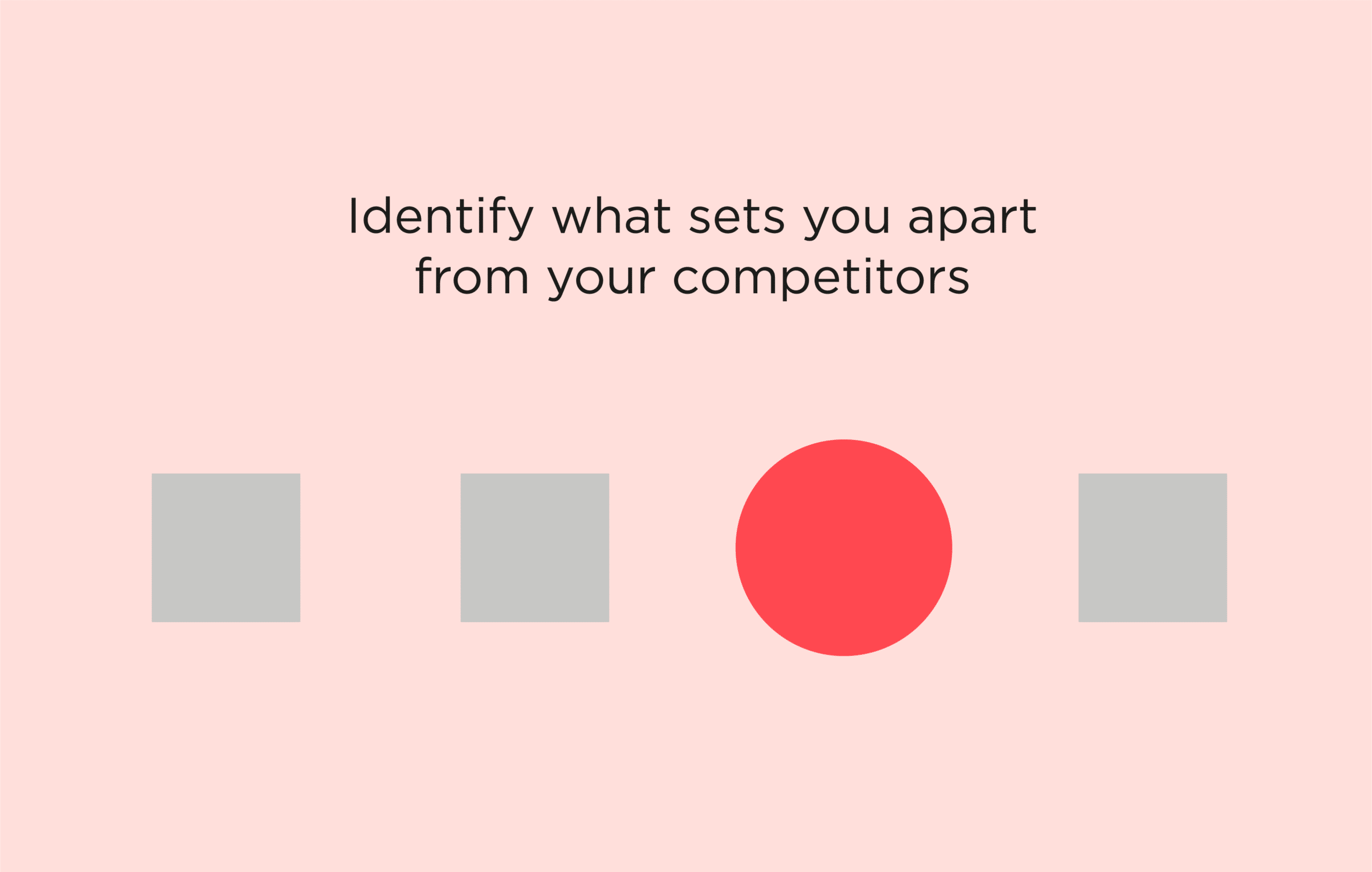
brand positioning strategy

How to develop your brand strategy


1. Take stock

Where is your brand currently positioning itself? If this is successful, your strategy may just need fine-tuning. If you’re currently attracting the wrong clientele, it may be time for a brand positioning overhaul.

2. Research your competitors

A good way to determine where you should position your brand is to work out what your competitors are doing. From there, you can work out where you can stand out and how you can showcase your uniqueness.

3. Develop your idea

Where would your brand be best placed? This should be distinct and set apart from other brands in the industry.

4. Craft your brand positioning statement

This is a quick summary of just one or two lines that clearly communicates the value of your brand and demonstrates your uniqueness to your target audience. When crafting this statement consider:
• Who you want to appeal to and attract?
• Your position in the market
• Your promise to your audience
• The evidence that backs up your promise
• You can also see your positioning statement as the who, where, what, why of your brand

5. Form your tagline

From your brand statement, you can then craft your tagline or slogan that can really help to cement your position in the industry. Then, when customers think of your brand, your slogan should come to mind instantly.
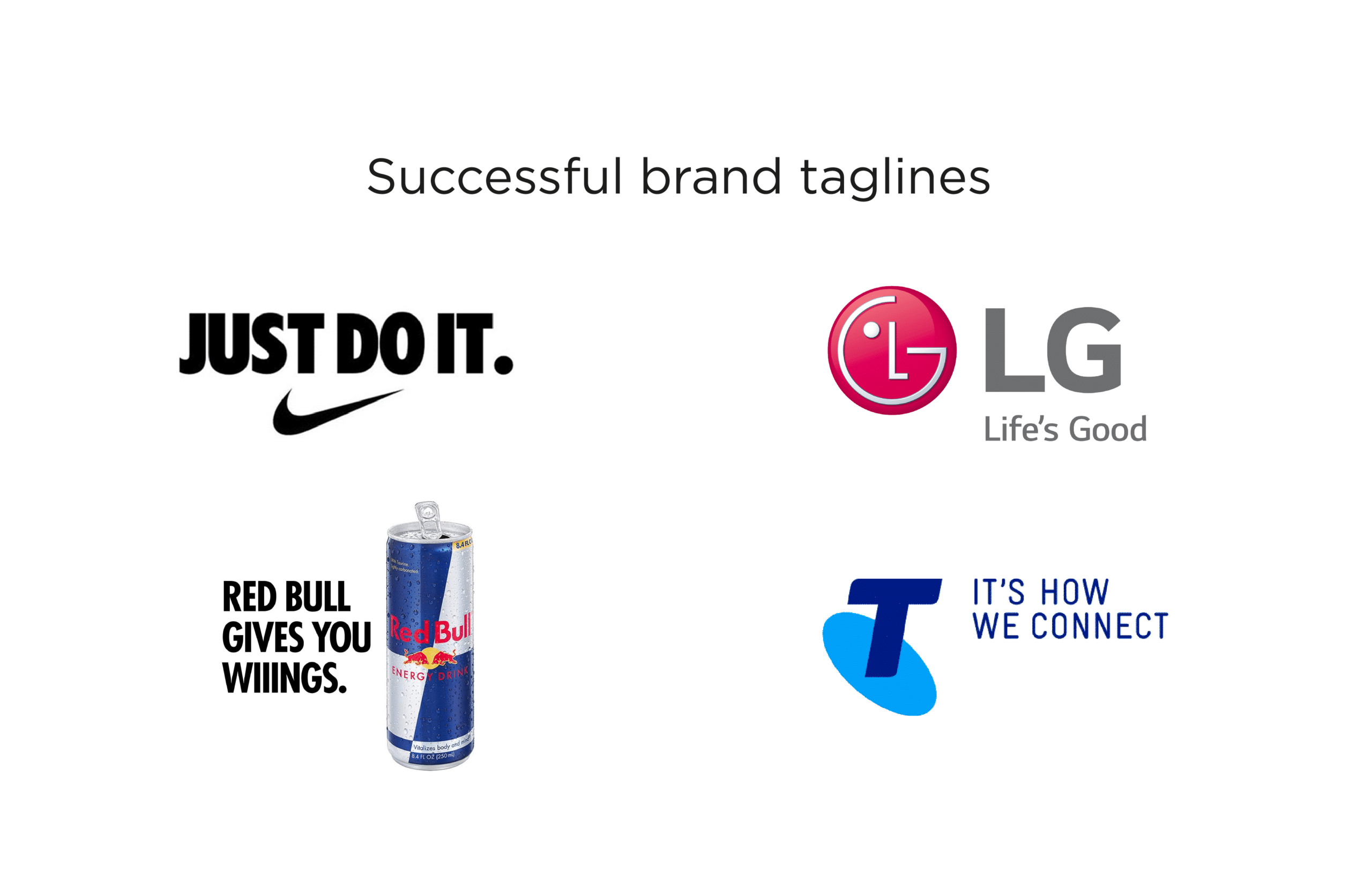
brand positioning strategy

6. Keep it consistent

Once you have defined your brand position, you need to make sure to maintain clear, consistent messaging that retains its position. You can always check back with customers and through social media to see if your brand position is working and then make amendments as you go to get to where you want to be. Remember, if your brand doesn’t stand out and come across as unique, your brand positioning statement may need altering.

FAQ

Brand positioning refers to the strategic process of defining and establishing your brand’s unique place in the market relative to competitors. It involves creating a distinct image and identity in the minds of your target audience, making it clear why your brand is the preferred choice. Effective brand positioning is critical because it differentiates your brand from competitors, helps build brand loyalty, and directly influences consumer purchasing decisions.
Developing a strong brand positioning strategy involves several key steps:

Market Research: Understanding the competitive landscape, customer needs, and market trends.
Defining Your Unique Value Proposition (UVP): Identifying what makes your brand unique and how it solves a specific problem for your target audience.
Identifying Your Target Audience: Clearly defining who your ideal customers are and tailoring your messaging to resonate with them.
Crafting a Brand Positioning Statement: Creating a concise statement that encapsulates your brand’s unique value, target market, and competitive advantage.
Implementing and Communicating Your Position: Consistently applying your positioning across all brand touchpoints, including marketing materials, customer service, and product offerings.
To ensure your brand positioning remains relevant, you should:

Continuously Monitor Market Trends: Stay informed about changes in the market, consumer preferences, and emerging competitors.
Regularly Gather Customer Feedback: Engage with your customers to understand their evolving needs and perceptions of your brand.
Adapt Your Strategy: Be willing to adjust your brand positioning strategy in response to market changes, new opportunities, or shifts in customer behaviour.
Innovate While Staying True to Your Core Values: Introduce new products, services, or marketing approaches that align with your brand’s core identity while appealing to current market demands.
Common mistakes in brand positioning include:

Vague Positioning: Failing to clearly articulate what sets your brand apart, leading to confusion or indifference among customers.
Overextending Your Brand: Trying to appeal to too broad an audience, which can dilute your brand’s identity and weaken its impact.
Ignoring Competitors: Focusing solely on your brand without considering how competitors are positioning themselves can leave you vulnerable.
Inconsistent Messaging: Failing to maintain a consistent brand message across all platforms can confuse customers and weaken your brand’s positioning.
The success of your brand positioning can be measured through several key performance indicators (KPIs):

Brand Awareness: Tracking how well your target audience recognises and recalls your brand.
Customer Perception Surveys: Conducting surveys to gauge how customers perceive your brand relative to competitors.
Market Share: Monitoring changes in your brand’s market share over time.
Customer Loyalty and Retention Rates: Measuring repeat purchases and customer loyalty as indicators of successful brand positioning.
Sales Performance: Analysing sales data to determine if your positioning is driving growth and revenue.

Interested in learning more?

Related posts

Brand positioning
How Melbourne tech companies can master brand positioning
Brand positioning
A marketing expert’s tips on simplifying business decision making
Book a free 30-minute consult

Our branding experts will ask all the right questions and give you practical advice on the best path forward for your business.